

18+ | Affiliate link | Terms apply | Please gamble responsibly.
Last Updated on October 16, 2026 by Maurya
Gambling often begins as entertainment. Placing a small sports bet, buying a lottery ticket, or playing an online casino game may seem harmless. However, for some people, occasional gambling gradually develops into an uncontrollable habit that affects their finances, relationships, mental health, and everyday life.
The most troubling part of a gambling addiction problem is that it does not always become obvious immediately. Someone may continue working, maintaining friendships, and meeting responsibilities while privately struggling with mounting debt, persistent gambling urges, or unsuccessful attempts to stop.
Gambling addiction, clinically known as gambling disorder, is a recognised behavioural addiction characterised by difficulty controlling gambling despite harmful consequences. Common warning signs include chasing losses, hiding gambling activities, borrowing money to gamble, and feeling restless when trying to quit.
The good news is that gambling addiction is treatable, and recovery is possible. Recognising the warning signs, understanding the underlying causes, and seeking professional support can help people regain control of their lives.
What Is Gambling Addiction?
Gambling addiction is a behavioural health condition in which a person repeatedly feels compelled to gamble, even when doing so causes financial, emotional, social, or personal harm.
Unlike substance addictions involving alcohol or drugs, gambling disorder does not require consuming a chemical substance. Nevertheless, gambling can affect the brain’s reward system and reinforce patterns of behaviour that become increasingly difficult to control.
People experiencing gambling addiction may participate in activities such as:
- Online casino games and slot machines
- Sports betting and live betting
- Poker, blackjack, roulette, and other casino games
- Horse racing and other betting markets
- Lotteries, scratch cards, and bingo
- Other activities involving staking money on uncertain outcomes
Gambling itself does not automatically mean someone has an addiction. The distinction lies in how gambling affects their behaviour, decision-making, and quality of life.
For example, someone who occasionally buys a lottery ticket without experiencing financial or emotional problems is not necessarily demonstrating addiction. However, someone who repeatedly spends rent money on betting despite promising to stop may be experiencing serious gambling-related harm.
The World Health Organization (WHO) identifies three central features of gambling disorder: impaired control over gambling, giving gambling increasing priority over other activities, and continuing to gamble despite negative consequences.
Importantly, people can experience significant gambling-related harm even without meeting the full diagnostic criteria for gambling disorder.
How Common Is Gambling Addiction?
Problem gambling is a public health concern affecting individuals, families, and communities worldwide.
According to the WHO’s December 2024 gambling fact sheet, approximately 1.2% of the global adult population is estimated to have gambling disorder. The organisation also acknowledges limitations in the available international data.
The effects extend beyond the person placing bets. Partners, children, relatives, employers, and communities may experience financial difficulties, emotional distress, and relationship problems linked to harmful gambling.
Online gambling has created additional challenges because betting platforms can be accessed through smartphones and computers throughout the day.
Someone no longer needs to visit a physical casino or betting shop to gamble. Opportunities to place bets may be available at home, during work breaks, or late at night.
Easy access, repeated advertising, and fast-paced betting products can make it harder for vulnerable individuals to avoid gambling triggers.
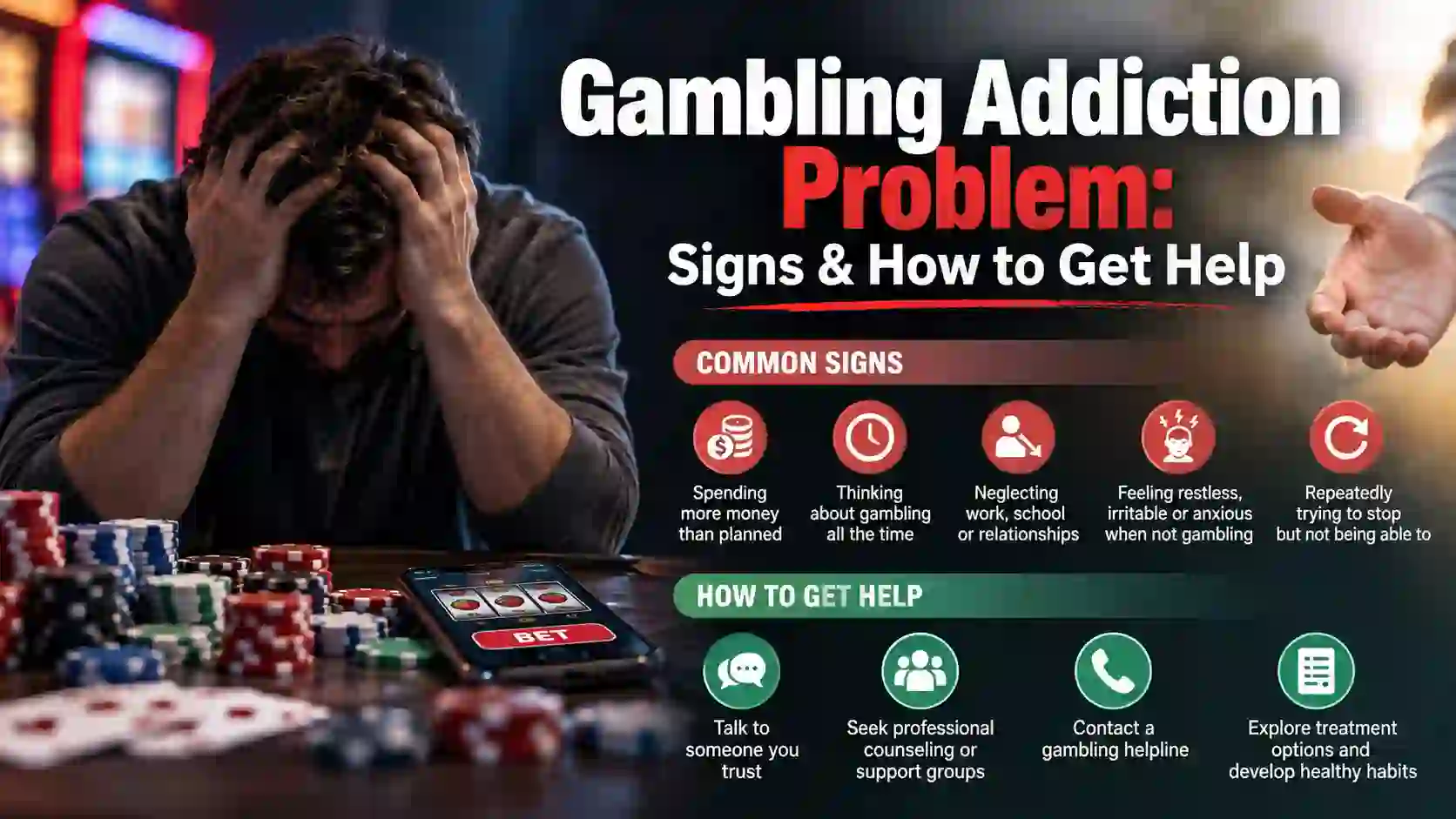
10 Warning Signs of Gambling Addiction
Recognising the early signs of gambling addiction can prevent financial losses and emotional problems from becoming more serious.
Although symptoms differ between individuals, the following behaviours are particularly important.
- Constantly Thinking About Gambling
One of the earliest warning signs is becoming increasingly preoccupied with betting.
A person may spend hours reviewing odds, checking scores, planning their next gambling session, or remembering previous wins.
Gambling gradually occupies more mental space, making it difficult to concentrate on work, relationships, or daily responsibilities.
- Chasing Gambling Losses
Chasing losses occurs when someone continues gambling to recover money they have already lost.
For example, after losing £100 on a sports bet, a person might place another £200 bet believing that a win will eliminate the original loss.
Unfortunately, this behaviour can create a cycle of increasing financial risk.
Instead of accepting a loss, the individual feels pressured to keep gambling until they recover their money.
- Gambling With Increasing Amounts of Money
Some people gradually need larger bets to experience the same excitement.
A person who previously enjoyed small wagers may begin risking much larger sums.
This escalating behaviour can increase financial vulnerability and is one of the recognised diagnostic indicators of gambling disorder.
- Trying to Stop Gambling but Failing
Repeated unsuccessful attempts to quit are a significant warning sign.
Someone may delete betting apps, promise their partner they will stop, or avoid gambling for several days before returning to it.
These attempts may be sincere. However, cravings, emotional triggers, and established habits can make stopping difficult without additional support.
- Hiding Gambling Activities
Secrecy often develops as gambling-related problems increase.
Common examples include deleting betting histories, hiding bank statements, lying about losses, or concealing how much time is spent gambling.
The person may fear arguments, embarrassment, or disappointment.
Unfortunately, secrecy can damage trust and prevent loved ones from recognising the seriousness of the problem.
- Borrowing Money to Gamble
Financial desperation is another major warning sign.
Someone struggling with compulsive gambling may:
- Borrow repeatedly from friends or relatives.
- Use credit or loans to fund gambling.
- Sell valuable possessions.
- Miss rent, mortgage, or utility payments.
- Use money intended for food or household essentials.
When gambling begins threatening basic financial security, immediate practical support is important.
- Feeling Irritable When Unable to Gamble
People experiencing gambling addiction may become restless, anxious, frustrated, or irritable when trying to reduce or stop gambling.
These feelings may become particularly intense during situations associated with previous gambling habits, such as major sporting events or payday.
- Gambling to Escape Emotional Problems
For some individuals, gambling becomes a way to temporarily avoid stress, loneliness, sadness, or anxiety.
Although betting may provide short-term distraction, gambling losses and their consequences can intensify those original emotions.
This creates a harmful pattern in which gambling is used to cope with problems that gambling itself may be worsening.
- Neglecting Work, Relationships, or Responsibilities
As gambling becomes more important, other areas of life may receive less attention.
Someone might miss family events, perform poorly at work, withdraw from friends, or spend time gambling instead of fulfilling important commitments.
Over time, this imbalance can affect employment, education, relationships, and personal wellbeing.
- Continuing to Gamble Despite Serious Consequences
Perhaps the clearest warning sign is continuing to gamble despite recognising that it is causing harm.
Someone may experience significant debt, arguments with family, emotional distress, or employment difficulties yet still feel compelled to place another bet.
This pattern of impaired control is central to gambling disorder.
Important: Experiencing one or more of these warning signs does not automatically confirm a diagnosis. However, any gambling behaviour causing distress, debt, or other harm deserves attention.
What Causes Gambling Addiction?
There is no single cause of gambling disorder. It usually develops through a combination of psychological, biological, social, and environmental factors.
The Brain’s Reward System
Gambling involves uncertainty, anticipation, and the possibility of receiving a reward.
These experiences engage brain systems involved in motivation and reinforcement, including dopamine signalling.
Over time, repeated gambling may strengthen associations between betting, excitement, and the expectation of winning.
The unpredictable nature of gambling rewards can make the behaviour particularly compelling.
Emotional and Mental Health Difficulties
Depression, anxiety, trauma, and chronic stress may occur alongside gambling-related problems.
Some individuals use gambling to escape uncomfortable feelings or temporarily distract themselves from personal challenges.
Others develop emotional difficulties as a consequence of gambling losses.
Because these problems can interact, effective treatment often addresses both gambling behaviour and broader mental health needs.
Easy Access to Online Gambling
Modern online gambling platforms provide convenient access to betting activities.
Features such as mobile notifications, continuous availability, and rapid betting opportunities can increase exposure to gambling.
Frequent advertisements and promotional offers may also act as triggers for people trying to reduce or stop gambling.
Social and Family Influences
Growing up in an environment where gambling is common may influence someone’s attitudes towards betting.
Peer pressure, cultural expectations, family gambling history, and social environments can also contribute to risk.
However, these factors do not mean that addiction is inevitable.
Stressful Life Events
Major changes such as unemployment, financial insecurity, relationship breakdown, or bereavement may increase vulnerability.
For some people, gambling becomes an unhealthy coping mechanism during difficult periods.
Understanding these contributing factors can help identify triggers and develop more effective recovery strategies.
How Is Gambling Addiction Diagnosed?
Gambling disorder is diagnosed through a professional assessment, not simply by calculating how much someone has lost.
The American Psychiatric Association describes nine diagnostic indicators, including:
- Needing to gamble increasing amounts of money.
- Feeling restless or irritable when attempting to stop.
- Repeated unsuccessful efforts to control gambling.
- Frequent preoccupation with gambling.
- Gambling when distressed.
- Returning to gambling to recover losses.
- Lying to conceal gambling involvement.
- Jeopardising significant relationships, education, or employment.
- Relying on others to relieve financial difficulties caused by gambling.
Under the DSM-5 diagnostic framework, meeting at least four of these criteria within a 12-month period may indicate gambling disorder, provided the full diagnostic requirements are met.
A qualified healthcare professional can evaluate gambling behaviour, its consequences, and any coexisting mental health conditions.
People should not wait until they meet four criteria before seeking help.
If gambling is already affecting finances, relationships, or mental health, professional support may be beneficial.
Effects of Gambling Addiction on Mental Health, Finances, and Relationships
The consequences of harmful gambling often extend far beyond losing money.
Financial Problems
Repeated gambling losses can result in unpaid bills, accumulating debt, damaged savings, and difficulty meeting essential expenses.
Some individuals borrow money to cover previous losses, creating further financial pressure.
Financial recovery may require a structured repayment plan, debt counselling, and safeguards that reduce immediate access to gambling funds.
Anxiety and Depression
Gambling-related stress can contribute to persistent worry, low mood, guilt, and sleep problems.
The emotional burden may become more intense when someone feels unable to discuss their situation openly.
Serious gambling-related distress can also increase the risk of self-harm or suicidal thoughts.
Anyone experiencing immediate danger or thoughts of suicide should seek urgent professional support.
Relationship Breakdown
Partners and family members may feel hurt, frightened, or betrayed when gambling activities are hidden.
Arguments about money, repeated broken promises, and financial instability can weaken trust.
Rebuilding relationships often requires honest communication, consistent behavioural changes, and sometimes professional counselling.
Employment and Education Difficulties
Excessive gambling may interfere with concentration, attendance, productivity, and decision-making.
In severe cases, individuals may lose employment opportunities or experience disciplinary problems.
Addressing gambling difficulties early can reduce these risks.
How to Stop Gambling Addiction: 8 Practical Steps
Overcoming a gambling addiction problem is rarely about making a single promise to stop.
Successful recovery usually involves changing gambling habits, managing triggers, protecting finances, and building a reliable support system.
The following strategies can help.
Step 1: Acknowledge That Gambling Is Causing Harm
Recognising the problem is an important starting point.
Consider how gambling affects your spending, relationships, emotions, work, and daily routines.
Ask yourself whether you have attempted to stop but repeatedly returned to gambling.
You do not need to wait for a major financial crisis before seeking help.
Step 2: Remove Access to Gambling Platforms
Reducing access to gambling opportunities can make it easier to manage urges.
Practical actions include deleting betting apps, closing gambling accounts, unsubscribing from promotional emails, and turning off gambling-related notifications.
Where available, use formal self-exclusion programmes.
In the UK, GAMSTOP provides free online self-exclusion from gambling websites and apps covered by its scheme.
Available exclusion periods include six months, one year, five years, and five years with auto-renewal.
Self-exclusion is a protective tool, not a substitute for professional treatment when addiction is present.
Step 3: Protect Your Money
Creating financial barriers can reduce opportunities for impulsive gambling.
Consider asking your bank about gambling transaction blocks, arranging automatic payment of essential bills, and speaking with an independent debt adviser.
If appropriate, work with a trusted person to establish temporary financial safeguards.
Protecting money should be done through informed, voluntary arrangements that respect personal autonomy and financial safety.
Step 4: Identify Gambling Triggers
A trigger is a situation, feeling, or experience that increases the desire to gamble.
Common triggers include boredom, loneliness, payday, sporting events, stress, and exposure to gambling advertisements.
Keeping a private journal can help identify patterns.
For example, someone who regularly experiences urges after work might plan an alternative evening activity or arrange a check-in with a supportive friend.
Step 5: Replace Gambling With Healthier Activities
Stopping gambling may leave gaps in routines previously filled with betting.
Replacing those routines with meaningful activities can support recovery.
Exercise, hobbies, volunteering, learning new skills, and spending time with supportive people can help rebuild a balanced lifestyle.
The objective is not simply to stay busy but to develop enjoyable activities that do not involve financial risk.
Step 6: Talk to Someone You Trust
Gambling-related shame can make asking for help difficult.
However, speaking with a trusted friend, partner, relative, counsellor, or support worker can reduce isolation.
You might begin with a simple statement:
“I’ve been struggling to control my gambling, and it’s starting to affect my life. I think I need some support.”
You do not have to explain everything at once.
Step 7: Seek Professional Gambling Addiction Treatment
A trained therapist can help address the psychological patterns that maintain gambling behaviour.
Professional treatment may involve cognitive behavioural therapy, motivational interviewing, individual counselling, or group therapy.
Treatment can also address depression, anxiety, or other conditions that occur alongside gambling problems.
Step 8: Create a Relapse Prevention Plan
Recovery does not always follow a straight path.
Someone may experience strong urges or return to gambling after a period of progress.
A relapse prevention plan identifies warning signs, high-risk situations, coping strategies, and people to contact for support.
If gambling happens again, responding quickly by reactivating safeguards and contacting support is more useful than hiding the episode or trying to recover losses.
Professional Gambling Addiction Treatment Options
Evidence-based treatment can improve a person’s ability to manage gambling urges and rebuild their life.
The most appropriate approach depends on individual circumstances, gambling severity, mental health needs, and treatment preferences.
Cognitive Behavioural Therapy (CBT)
Cognitive behavioural therapy is a recommended treatment for gambling-related harm.
CBT helps individuals recognise unhelpful beliefs and behavioural patterns associated with gambling.
For example, someone may believe that several consecutive losses mean a win is becoming more likely.
Therapy can help challenge such beliefs, improve decision-making, develop coping strategies, and manage gambling triggers.
The UK’s National Institute for Health and Care Excellence (NICE) recommends gambling-specific group CBT and individual CBT when group treatment is unsuitable or not preferred.
Motivational Interviewing
Motivational interviewing is a supportive counselling approach that helps people explore their reasons for changing.
It can be particularly helpful when someone recognises gambling-related harm but feels uncertain about stopping.
Rather than using pressure or criticism, the approach helps individuals strengthen motivation and confidence.
Support Groups
Peer support can provide encouragement from others who understand the difficulties associated with gambling addiction.
Gamblers Anonymous offers in-person, virtual, and telephone meeting options in various locations.
Support groups may provide accountability, shared experiences, and ongoing encouragement.
Family Therapy and Counselling
Gambling addiction can place significant strain on families.
Counselling may help improve communication, rebuild trust, establish healthy boundaries, and address practical concerns.
Family members may also benefit from receiving their own support, whether or not the person who gambles participates in treatment.
Medication
Medication is not usually the first treatment for gambling disorder.
There are currently no medications specifically approved by the US Food and Drug Administration for treating gambling disorder.
However, specialists may consider certain medicines in selected circumstances.
For example, NICE guidance recommends considering naltrexone under specialist supervision when appropriate psychological treatment has not produced the desired results or repeated relapse occurs.
Medication decisions should always involve qualified healthcare professionals.
Where to Get Help for Gambling Addiction
Finding appropriate support is one of the most important steps towards recovery.
Several organisations provide confidential information, treatment referrals, and peer support.
Gambling Addiction Help in the United Kingdom
National Gambling Helpline — GamCare
- Phone: 0808 8020 133
- Availability: 24 hours a day, seven days a week
- Website: gamcare.org.uk
GamCare provides free, confidential information and support to people experiencing gambling-related harm and those affected by someone else’s gambling.
The NHS also provides gambling treatment services in England. People can contact a GP or explore self-referral options for specialist gambling clinics.
Gambling Addiction Help in the United States
National Problem Gambling Helpline
- Phone or text: 1-800-MY-RESET
- Availability: 24/7
- Website: National Council on Problem Gambling
This helpline connects individuals and families with gambling-related support, information, and local treatment resources.
International Support
People living elsewhere can contact local mental health services, addiction treatment providers, or gambling support organisations.
Gamblers Anonymous also provides information about international and virtual meetings.
Urgent mental health support: If someone is at immediate risk of harming themselves, contact local emergency services. In the UK, call 999 for an immediate emergency. In the United States, call or text 988 for suicide and crisis support, or 911 for an immediate emergency.
Gambling helplines are valuable resources, but they should not replace emergency services when someone’s life is in danger.
How to Help Someone With a Gambling Addiction
Watching a loved one struggle with gambling can be emotionally exhausting.
Family members may experience anxiety, frustration, financial uncertainty, or a loss of trust.
Although you cannot force another person to recover, you can offer meaningful support while protecting your own wellbeing.
Start a Calm, Non-Judgemental Conversation
Choose a private moment when both people can speak without interruption.
Describe the behaviours that concern you rather than attacking the person’s character.
For example, you could explain that unpaid bills or repeated gambling losses are affecting your sense of security.
A supportive conversation is more likely to encourage openness than accusations or threats.
Encourage Professional Help
Share information about gambling support services and offer practical assistance, such as helping identify a therapist or attending an initial appointment if invited.
Remember that the person may need time to recognise the problem.
Establish Healthy Financial Boundaries
Avoid repeatedly providing money that could enable further gambling.
Where finances are shared, consider seeking independent financial advice and establishing arrangements that protect essential household expenses.
You can show care without taking responsibility for someone else’s gambling decisions.
Seek Support for Yourself
Partners, parents, children, and friends can experience significant emotional and financial harm.
Family counselling, peer support, and gambling support services can help affected relatives establish boundaries and manage stress.
You deserve support even if your loved one is not ready to seek treatment.
Can Someone Fully Recover From Gambling Addiction?
Yes. Meaningful and lasting recovery from gambling addiction is possible.
Recovery may involve stopping gambling, improving emotional health, rebuilding relationships, managing debt, and developing strategies to prevent future problems.
The process is different for everyone.
Some people benefit from individual therapy, while others need a combination of specialist treatment, peer support, and practical financial assistance.
Progress should not be measured only by how many days someone has avoided gambling.
Improved sleep, reduced anxiety, greater financial stability, stronger relationships, and an increased sense of personal control are also meaningful signs of improvement.
The NICE guideline on gambling-related harms emphasises that relapse should not be treated as personal failure. Instead, a return to gambling can be examined to identify triggers and strengthen ongoing recovery plans.
The central message is simple: A gambling problem can be serious, but it does not have to define someone’s future.
FAQs
What are the first signs of gambling addiction?
Early warning signs include thinking constantly about gambling, increasing bet sizes, chasing losses, hiding gambling activities, and becoming irritated when unable to gamble. Repeatedly spending more than intended or neglecting responsibilities may also indicate developing gambling-related harm.
Is gambling addiction a mental health disorder?
Yes. Gambling disorder is a recognised behavioural addiction included in major diagnostic classification systems, including the DSM-5 and ICD-11. It involves impaired control over gambling and continued gambling despite negative consequences. A qualified professional can determine whether someone meets the diagnostic criteria.
How can I stop gambling permanently?
Long-term recovery may involve self-exclusion, blocking gambling websites, establishing financial safeguards, identifying triggers, and receiving professional therapy. Support groups and relapse prevention planning can also help. Because recovery needs differ, there is no single method that guarantees permanent abstinence for everyone.
Can gambling addiction be treated without medication?
Yes. Psychological treatment, particularly gambling-specific cognitive behavioural therapy, is a recommended approach. Many people receive support through counselling, peer groups, financial guidance, and behavioural changes without medication.
What should I do if I have lost all my money gambling?
Stop placing bets and avoid borrowing additional money to recover your losses. Prioritise essential expenses, contact a trusted person, and seek independent debt advice. A gambling support service can help you explore treatment options. If the financial loss has caused severe emotional distress or thoughts of self-harm, seek urgent mental health support.
Is online gambling more addictive than traditional gambling?
Online gambling may present additional risks because it can be accessed almost anywhere, often with rapid betting opportunities and frequent promotional exposure. However, the risk depends on the gambling product, its design, the person’s circumstances, and their patterns of use. Both online and in-person gambling can cause serious harm.
How long does recovery from gambling addiction take?
There is no universal recovery timeline. Some people experience improvements within weeks of receiving support, while others require longer-term treatment and follow-up care. Recovery depends on factors such as gambling severity, mental health, financial pressures, support systems, and individual circumstances.
Can gambling addiction damage relationships?
Yes. Gambling-related secrecy, financial problems, broken promises, and emotional withdrawal can undermine trust. However, relationships may improve through sustained behavioural change, open communication, appropriate boundaries, and professional counselling when needed.
Can someone have a gambling problem without being in debt?
Absolutely. Financial debt is not required for gambling-related harm or gambling disorder. Someone may struggle with uncontrollable urges, emotional distress, secrecy, or relationship problems even if they have enough money to cover their gambling losses.
Final Thoughts
A gambling addiction problem can gradually affect almost every part of life, from financial security and mental health to personal relationships and professional responsibilities.
The warning signs may begin with seemingly small changes: spending more time gambling, increasing bets, chasing losses, or hiding betting activities from loved ones.
Recognising these behaviours early creates an opportunity to seek help before the consequences become more severe.
Professional counselling, cognitive behavioural therapy, support groups, self-exclusion programmes, and financial safeguards can all play important roles in recovery.
If you or someone you care about is struggling with compulsive gambling, remember that help is available even when the situation feels overwhelming.
You do not need to recover every lost pound or dollar before taking action. You do not need to solve every financial problem before speaking to someone. And you do not have to manage gambling addiction without support.
The first meaningful step towards recovery is not placing another bet. It is reaching out for help and beginning to build a safer, healthier future.
ADVERTISEMENT

18+ | Affiliate link | Terms apply | Please gamble responsibly.


